

Introduction
Garbage compactor trucks play a crucial role in waste management by efficiently collecting and compacting solid waste materials for transportation to disposal sites. These specialized vehicles have become a staple in urban and rural areas, helping to keep our communities clean and hygienic. However, to ensure the safe and effective operation of garbage compactor trucks, industry standards and regulations have been developed to guide manufacturers, operators, and maintenance personnel. In this article, we will delve into the various industry standards that govern the design, construction, operation, and maintenance of garbage compactor trucks to ensure their efficiency and safety.
1. Overview of Garbage Compactor Trucks
Garbage compactor trucks, also known as refuse trucks or waste collection vehicles, are specially designed to collect and transport solid waste materials from residential, commercial, and industrial areas to disposal facilities such as landfills or recycling centers. These trucks come in various sizes and configurations, including rear-loading, side-loading, and front-loading models, each catering to specific waste collection needs.
The basic components of a garbage compactor truck include a compactor body, hydraulic system, compaction mechanism, and a storage compartment for waste collection. The compactor body is typically mounted on a chassis, which may be a dedicated truck chassis or a modified commercial vehicle chassis. The hydraulic system powers the compaction mechanism, which compresses the collected waste to maximize the truck's carrying capacity.
2. Industry Standards for Design and Construction
The design and construction of garbage compactor trucks are governed by a set of industry standards aimed at ensuring structural integrity, operational efficiency, and worker safety. These standards cover various aspects of the vehicle, including materials, components, dimensions, and safety features.
One of the key standards that garbage compactor truck manufacturers must adhere to is the National Fire Protection Association (NFPA) Standard 1500 - Standard on Fire Department Occupational Safety, Health, and Wellness Program. This standard provides guidelines for the design and construction of fire apparatus, including specialized vehicles such as garbage compactor trucks, to minimize the risks associated with fire incidents during operation.
In addition to the NFPA standard, manufacturers must also comply with the Occupational Safety and Health Administration (OSHA) regulations related to vehicle safety, worker protection, and environmental standards. These regulations cover aspects such as noise levels, exhaust emissions, ergonomics, and hazard communication to ensure a safe working environment for operators and maintenance personnel.
3. Operational Standards and Best Practices
Garbage compactor trucks are operated by trained personnel who follow specific operational standards and best practices to ensure efficient waste collection and transportation. These standards cover various aspects of vehicle operation, including route planning, loading procedures, compaction techniques, and safety protocols.
The Solid Waste Association of North America (SWANA) has developed a series of guidelines and best practices for the operation of garbage compactor trucks, known as the "Collection Operations Basics" manual. This manual provides detailed instructions on vehicle inspection, maintenance, loading techniques, and safety procedures to minimize accidents, spills, and equipment failures during operation.
Furthermore, operators are required to undergo training and certification programs to acquire the necessary skills and knowledge to safely and effectively operate garbage compactor trucks. These training programs cover topics such as vehicle operation, maintenance procedures, emergency response, and compliance with regulatory standards to ensure the proper handling of solid waste materials.
4. https://www.heli-truck.com/729/ and Inspection Standards
Regular maintenance and inspection are essential to ensure the optimal performance and longevity of garbage compactor trucks. Industry standards and guidelines have been established to outline the recommended maintenance practices, inspection procedures, and replacement schedules for key components of the vehicle.
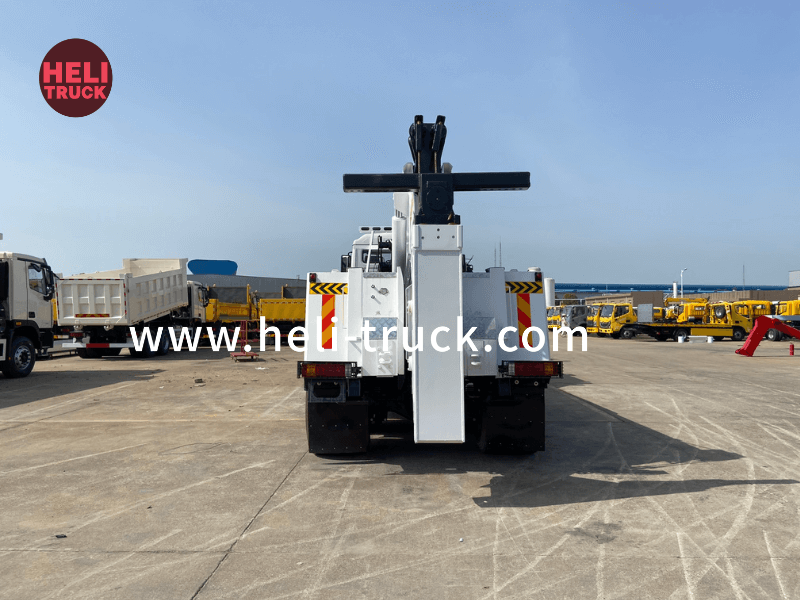
The American National Standards Institute (ANSI) has developed the ANSI Z245 series of standards, which cover various aspects of waste handling equipment, including garbage compactor trucks. These standards provide guidance on maintenance intervals, lubrication requirements, component wear limits, and inspection criteria to help operators and maintenance personnel identify and address potential issues before they escalate into costly repairs or equipment failures.
Moreover, manufacturers often provide maintenance manuals and service schedules for their garbage compactor trucks, detailing the recommended maintenance tasks, replacement parts, and troubleshooting procedures. Following these guidelines can help extend the service life of the vehicle, reduce downtime, and ensure the safe and efficient operation of the compactor truck.
5. Environmental and Regulatory Compliance
Garbage compactor trucks must comply with environmental regulations and waste management standards to minimize their impact on the environment and public health. These regulations cover aspects such as emissions control, noise pollution, waste disposal, and recycling requirements to promote sustainable waste management practices.
The Environmental Protection Agency (EPA) sets emissions standards for diesel-powered garbage compactor trucks to reduce air pollution and greenhouse gas emissions. Manufacturers must design their vehicles to meet these emission limits and undergo testing and certification to ensure compliance with EPA regulations.
Furthermore, waste management regulations dictate how solid waste materials should be collected, transported, and disposed of to prevent environmental contamination and promote recycling and resource recovery. Garbage compactor truck operators must follow these regulations to ensure the proper handling and disposal of waste materials in accordance with local, state, and federal laws.
Conclusion
Garbage compactor trucks play a vital role in waste management by collecting and transporting solid waste materials efficiently and safely. To ensure the optimal performance and safety of these specialized vehicles, industry standards and regulations have been developed to guide manufacturers, operators, and maintenance personnel in the design, construction, operation, and maintenance of garbage compactor trucks.
By adhering to these standards and best practices, stakeholders in the waste management industry can minimize risks, improve efficiency, and promote sustainable waste management practices. Garbage compactor trucks will continue to be essential tools in keeping our communities clean and hygienic, and by upholding industry standards, we can ensure their continued effectiveness in waste collection and transportation.